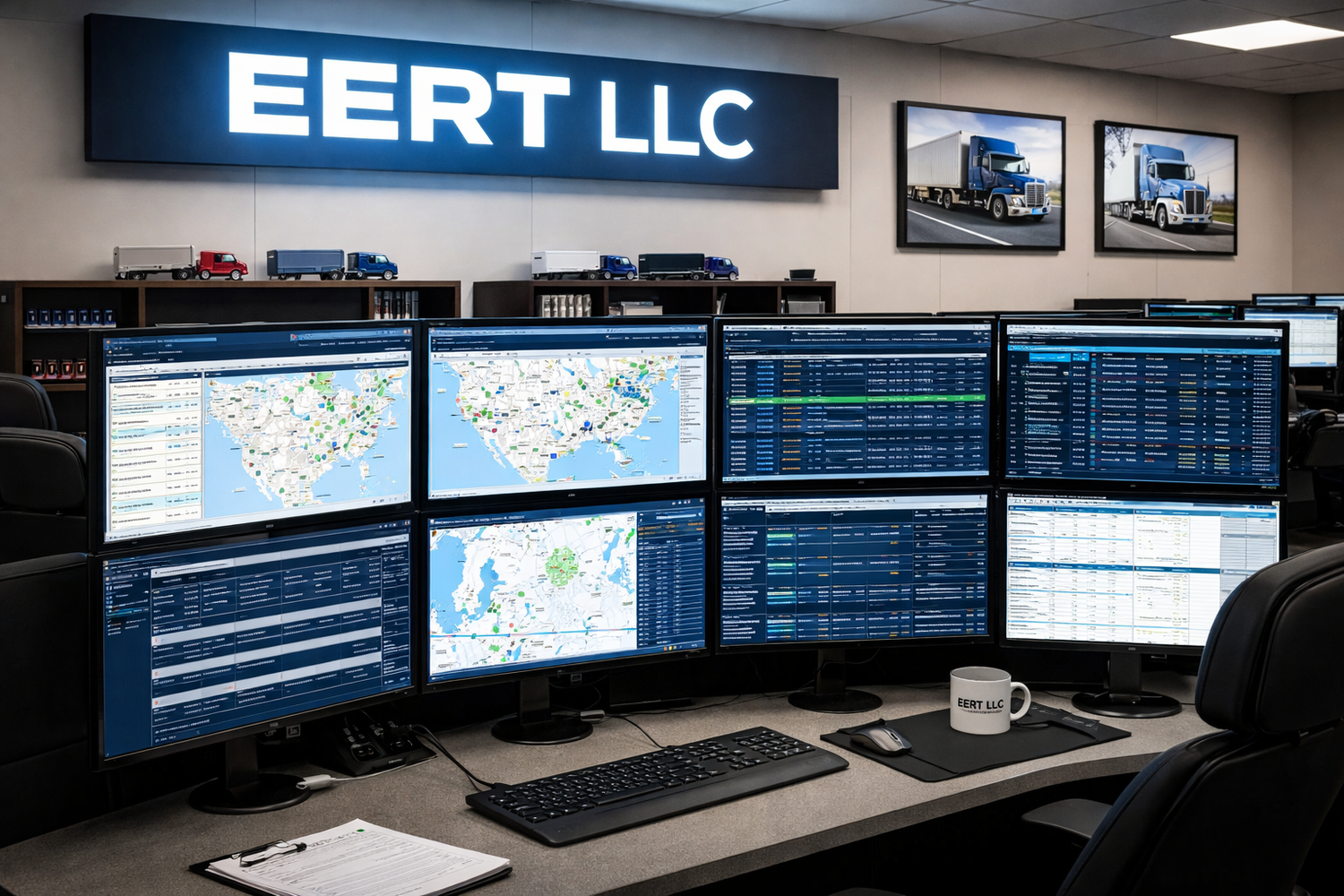
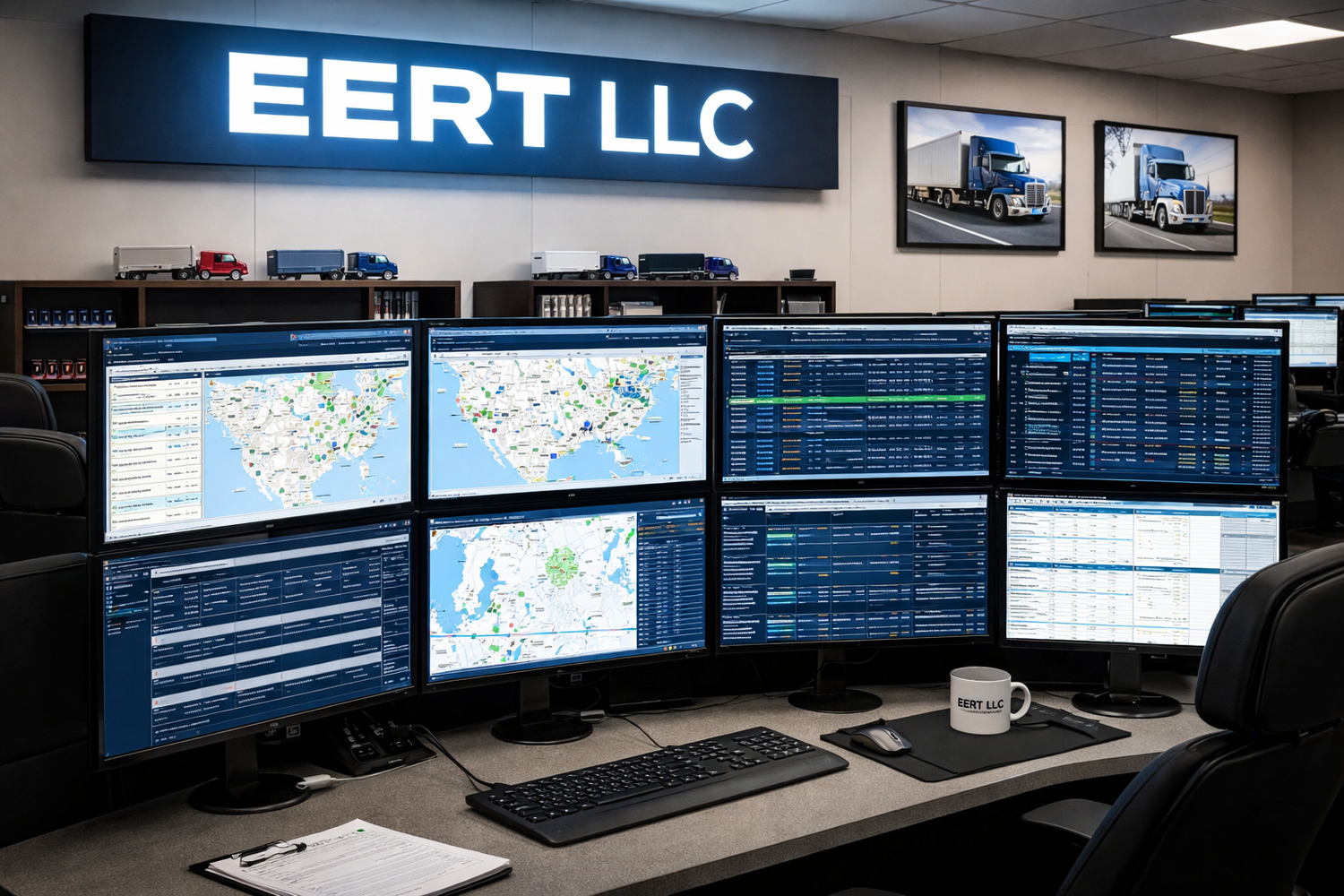

Efficient Enterprise & Resource Transport
Overview Efficient Enterprise & Resource Transport (EERT) describes the systems, processes, and strategies organizations use to move goods, materials, people, information, and capital with maximum productivity and minimum waste. EERT integrates logistics, supply chain management, asset utilization, and information flow to optimize cost, speed, reliability, and sustainability across the enterprise.
Core Principles
End-to-end visibility: Maintain real-time awareness of assets, inventory, shipments, and workflow status to enable proactive decision-making.
Demand-driven planning: Align transport resources and routing with actual demand signals rather than forecasts alone to reduce inventory and excess capacity.
Asset optimization: Increase utilization rates of vehicles, containers, warehouses, and personnel through consolidation, scheduling, and predictive maintenance.
Network design and resilience: Design transport networks for cost-efficiency and reliability, with redundancy and contingency plans for disruptions.
Intermodal integration: Use the best combination of road, rail, air, and maritime modes to balance speed, cost, and carbon footprint.
Data-driven orchestration: Leverage analytics, machine learning, and prescriptive tools to recommend optimal routing, loading, and scheduling.
Sustainability: Minimize environmental impact through route optimization, decarbonized modes, load maximization, and lifecycle planning.
Continuous improvement: Use KPIs and feedback loops to refine processes, reduce lead times, and eliminate non-value-added activities.
Key Components
Transportation Management System (TMS): Centralized software for planning, execution, and performance measurement of shipments, carrier selection, and freight audit.
Warehouse Management System (WMS): Controls inventory movement, slotting, picking strategies, and labor allocation to reduce dwell time and improve throughput.
Yard and terminal operations: Coordinate loading, staging, and asset turnaround to prevent bottlenecks and improve gate-to-gate cycle time.
Fleet management and telematics: Track vehicle location, condition, driver behavior, and fuel usage to improve utilization and safety.
Order orchestration: Prioritize and consolidate orders across channels and fulfillment locations to minimize costs and delivery times.
Supplier and carrier collaboration: Share forecasts, capacity commitments, and performance metrics to align expectations and reduce last-mile failures.
Reverse logistics: Manage returns, repairs, recycling, and disposal with cost-effective routing and repair networks.
Performance Metrics
On-time delivery rate
Cost per ton-mile or per shipment
Asset utilization (vehicle, container, warehouse)
Empty miles percentage / load factor
Transit time variability / delivery lead-time
Inventory days of supply
Carbon emissions per shipment (CO2e)
Order fill rate and returns processing time
Strategic Actions for Implementation
Map current-state flows: Document physical and information flows across the enterprise to identify waste and friction points.
Segment traffic: Classify shipments by cost-to-serve, service requirements, and variability to apply tailored strategies.
Consolidate and pool: Combine shipments, use cross-dock hubs, and consolidate across business units to increase load factors.
Right-size inventory: Place stock at nodes that minimize total landed cost while meeting service targets.
Digitize and integrate systems: Connect ERP, TMS, WMS, and carrier systems for seamless data exchange and automated decisioning.
Implement dynamic routing: Use real-time traffic, weather, and capacity data to adjust routes and schedules dynamically.
Deploy predictive maintenance: Use telematics and condition monitoring to reduce downtime and extend asset life.
Negotiate outcome-based contracts: Shift from transactional carrier contracts to performance- or outcome-based agreements that incentivize service and sustainability.
Pilot sustainability initiatives: Test alternative fuels, electrified fleets, modal shifts, and carbon-offset programs at scale before enterprise rollout.
Establish governance: Create cross-functional governance with clear KPIs, roles, and continuous-improvement cadences.
Risks and Mitigations
Disruption exposure: Build inventory buffers, alternative routing, and multi-sourcing to reduce single-point failures.
Data quality gaps: Invest in master data management and standardized identifiers to ensure accurate visibility and analytics.
Change management: Provide training, incentive alignment, and phased rollouts to secure stakeholder buy-in.
Regulatory complexity: Monitor trade, customs, and transportation regulations and embed compliance into planning tools.
Executive Dashboard (Suggested KPIs)
Weekly on-time delivery % (goal-driven)
Total transportation cost / revenue
Average load factor and empty miles %
Inventory days of supply by node
Carbon intensity (CO2e per shipment)
Carrier performance index
Incident and downtime hours
Conclusion Efficient Enterprise & Resource Transport is a holistic discipline that combines operational excellence, data-driven technology, and strategic network design to move resources effectively while meeting service, cost, and sustainability goals. Organizations that embed EERT principles gain agility, reduce operating
Packages
Explore our range of services designed to help you move forward with confidence, wherever you're headed next.
Interior Design
✳︎
New Construction
✳︎
Renovations
✳︎
Remodels
✳︎
Commercial Design
Interior Design ✳︎ New Construction ✳︎ Renovations ✳︎ Remodels ✳︎ Commercial Design
Popular

2025
New York
The Atlast Project →
“Communication was top-notch and the final outcome was even better than we imagined. A great experience all around.”
Former CustomerGet In Touch
If you're interested in working with us, complete the form with a few details about your project. We'll review your message and get back to you within 48 hours.